We engineer production-grade embedded C/C++ and FreeRTOS firmware for microcontrollers, industrial gateways, automotive CAN telematics, and secure IoT devices. From peripheral driver bring-up to fail-safe OTA updates.
Reliable embedded software designed for memory constraints, low power consumption, real-time deterministic execution, and continuous field operation.
Deterministic multi-threaded task management, queue synchronization, semaphore locks, and bare-metal peripheral drivers for time-critical sensing and actuation.
Low-power Bluetooth (BLE GATT profiles, pairing & beacons), Wi-Fi 6 provisioning, and 4G LTE Cat-1 / Cat-M1 / NB-IoT modem control with automatic network reconnection.
J1939 protocol stacks, standard OBD-II diagnostic message parsing, CAN frame filtering, engine fault code logging, and GPS/GNSS position streaming.
Dual-partition bootloader architectures with cryptographic firmware signature verification, automatic rollback on boot failure, and compressed chunked updates.
Deep-sleep state machines, dynamic clock frequency scaling, wake-on-motion accelerometer interrupts, and power budget modeling for multi-year battery lifespans.
Custom device drivers for I2C, SPI, UART, RS-485, and ADC interfaces. Integration with IMUs, temperature sensors, optical RFID readers, and industrial power relays.
Our firmware runs in real vehicles, commercial buildings, and connected industrial hardware.
J1939 CAN bus firmware, remote engine ignition state machine, and secure BLE handshaking built for Class-8 commercial trucks.
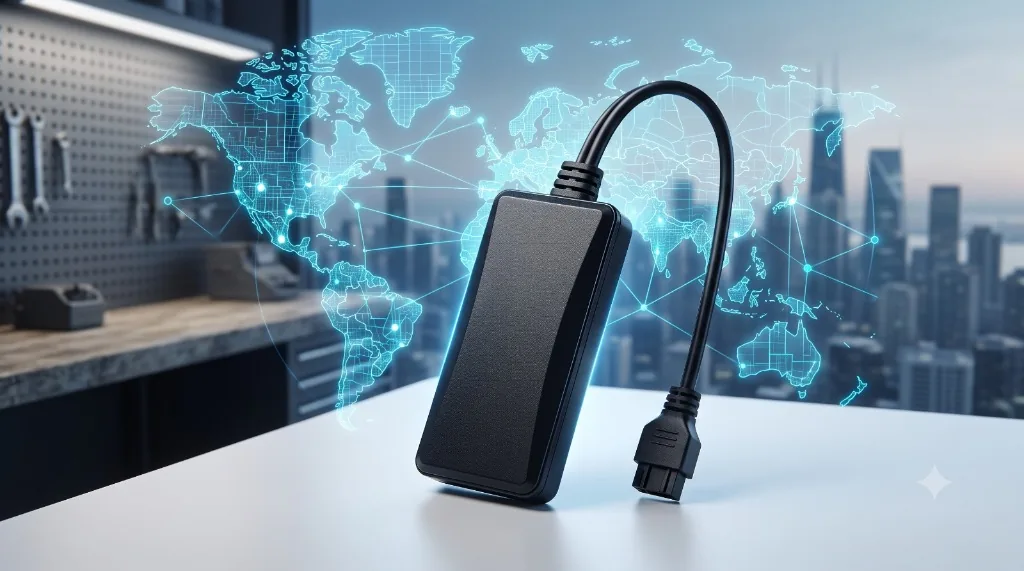
High-frequency GNSS positioning, Quectel 4G LTE telemetry streaming, power-cut alerts, and remote immobilizer relay driver.
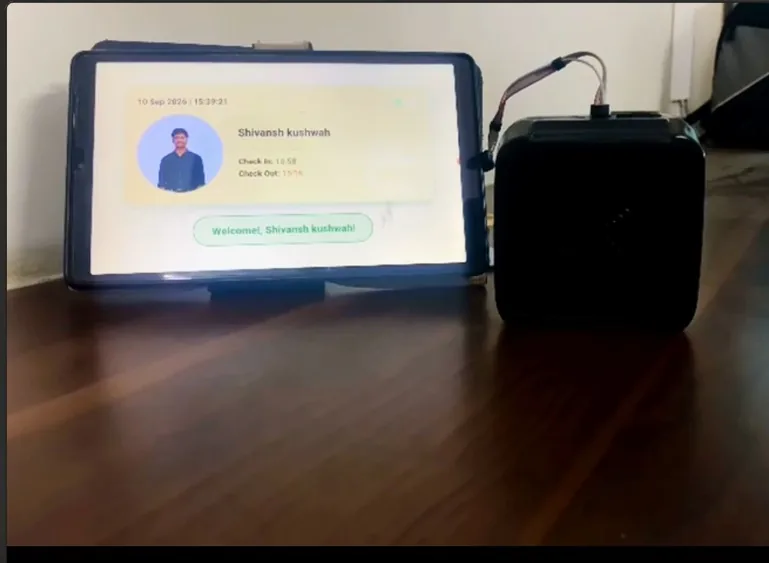
Sub-second encrypted RFID badge parsing, offline event buffering on SPI flash, Wi-Fi/Ethernet auto-failover, and audio feedback.
Engine run-time telemetry, odometer sync via vehicle data bus, and cryptographic BLE transmission to certified driver logs.
Learn how our engineers design automotive and cellular telematics architectures.
Hardware schematic review, GPIO allocation, clock tree verification, power rail testing, and low-level peripheral driver initialization.
FreeRTOS task scheduling, memory footprint optimization, sensor data acquisition queues, and state machine design.
Integration of TLS 1.3 cryptographic handshakes, cellular/BLE communication stacks, CAN frame filtering, and cloud MQTT payloads.
Stress testing, watchdog timer validation, failover recovery testing, and automated scripts for factory production programming.
Consult with our senior firmware engineers to review your schematics, peripheral requirements, or RTOS architecture.